

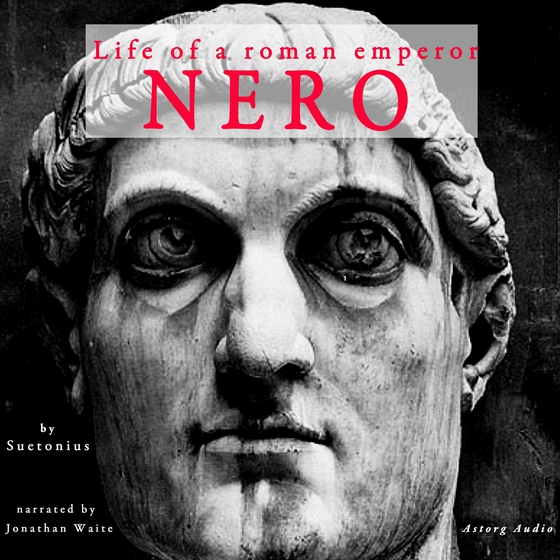
Suetonius
(författare)
,
Jonathan Waite
(berättare)
Nero, Life of a Roman Emperor ljudbok
135 kr
Suetonius' most important surviving work is known as the De Vita Caesarum, a set of twelve biographies of the successive Roman rulers. The emperor Nero's reign is one weird tale of sexual depravity and extravagant sadism. He was a gifted musician, and is said to have given great concerts of which attendance was compulsory; women were said to have given birth during the performance, and men were d…
Suetonius' most important surviving work is known as the De Vita Caesarum, a set of twelve biographies of the successive Roman rulers. The emperor Nero's reign is one weird tale of sexual depravity and extravagant sadism. He was a gifted musician, and is said to have given great concerts of which attendance was compulsory; women were said to have given birth during the performance, and men were driven to fake death to escape. Nero kicked his pregnant wife to death and then had a young boy castrated to replace her as his spouse; then, during the great fire of Rome, he is said to have played the lyre to emphasize the beauty of the destruction. His eccentricities are a continuation of the tradition of his predecessors, only more perverted; Suetonius' account portray a strange man in strange times.
Ljudbok
135 kr
Förlag
Saga Egmont
Utgiven
08.12.2022
Längd
1:34
Genrer
Biografier & Memoarer
Språk
English
Format
mp3
Kopieringsskydd
Vattenmärkt
ISBN
9782821106765
Suetonius' most important surviving work is known as the De Vita Caesarum, a set of twelve biographies of the successive Roman rulers. The emperor Nero's reign is one weird tale of sexual depravity and extravagant sadism. He was a gifted musician, and is said to have given great concerts of which attendance was compulsory; women were said to have given birth during the performance, and men were driven to fake death to escape. Nero kicked his pregnant wife to death and then had a young boy castrated to replace her as his spouse; then, during the great fire of Rome, he is said to have played the lyre to emphasize the beauty of the destruction. His eccentricities are a continuation of the tradition of his predecessors, only more perverted; Suetonius' account portray a strange man in strange times.
Inga recensioner än