

J.E. Kaufmann
(författare)
,
H.W. Kaufmann
(författare)
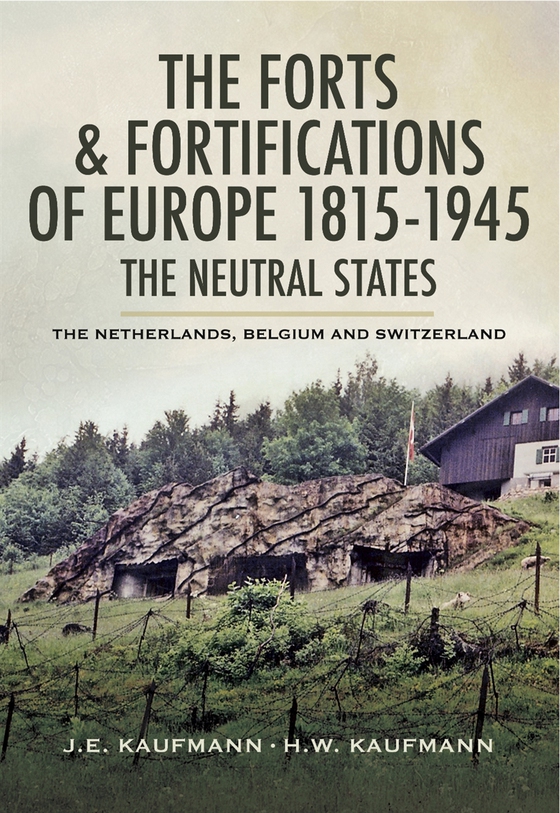
The Forts and Fortifications of Europe 1815- 1945: The Neutral States e-bok
109 kr
After the Napoleonic Wars the borders of Europe were redrawn and relative peace endured across the region, but the volatile politics of the late nineteenth century generated an atmosphere of fear and distrust, and it gave rise to a new era of fortress building. In the neutral states situated between France and Germany - The Netherlands, Belgium and Switzerland - the need for extensive fixed defen…
After the Napoleonic Wars the borders of Europe were redrawn and relative peace endured across the region, but the volatile politics of the late nineteenth century generated an atmosphere of fear and distrust, and it gave rise to a new era of fortress building. In the neutral states situated between France and Germany - The Netherlands, Belgium and Switzerland - the need for extensive fixed defences was particularly urgent, and this is the subject of this highly illustrated new study. The strategic thinking that gave rise to these defensive schemes is described in detail, as is the planning, design and construction of the lines themselves. Their operational history in wartime, in particular during the Second World War, is a key element of this expert account.
E-bok
109 kr
Förlag
Pen and Sword
Utgiven
18.02.2021
Längd
256 sidor
Genrer
Fackböcker, Historia & Arkeologi
Språk
English
Format
epub
Kopieringsskydd
Vattenmärkt
ISBN
9781473841062
After the Napoleonic Wars the borders of Europe were redrawn and relative peace endured across the region, but the volatile politics of the late nineteenth century generated an atmosphere of fear and distrust, and it gave rise to a new era of fortress building. In the neutral states situated between France and Germany - The Netherlands, Belgium and Switzerland - the need for extensive fixed defences was particularly urgent, and this is the subject of this highly illustrated new study. The strategic thinking that gave rise to these defensive schemes is described in detail, as is the planning, design and construction of the lines themselves. Their operational history in wartime, in particular during the Second World War, is a key element of this expert account.
Inga recensioner än