

David Wragg
(författare)
Fighting Admirals of WWII e-bok
109 kr
Seapower was a crucial element in the outcome of the Second World War. The U-Boat campaign almost brought Britain to her knees; the Arctic convoys were crucial to keeping Russia in the War; Pearl Harbor brought America into the conflict with massive repercussions; allied naval supremacy made the D-Day landings possible.This book examines in detail the key naval commanders of both sides including …
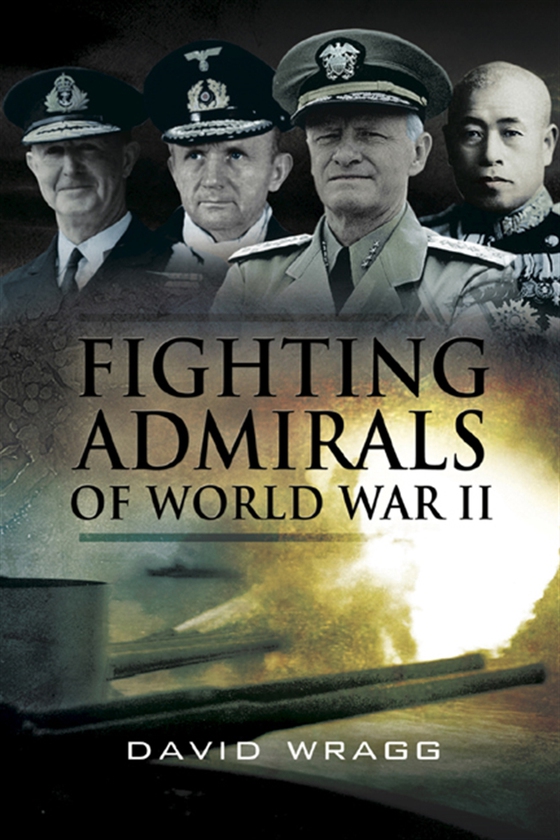
Seapower was a crucial element in the outcome of the Second World War. The U-Boat campaign almost brought Britain to her knees; the Arctic convoys were crucial to keeping Russia in the War; Pearl Harbor brought America into the conflict with massive repercussions; allied naval supremacy made the D-Day landings possible.This book examines in detail the key naval commanders of both sides including five British (Pound, Cunningham, Ramsay, Horton, Somerville) and five US admirals (King, Nimitz, Spruance, Halsey, Fletcher), three German (Raeder, Doenitz, Lutjens) three Japanese (Yamamato, Nagumo, Koga) and two French (Darlan, de la Borde), the latterjustified by the problems faced by Vichy France, including the courageous decision to scuttle the fleet rather than let it fall into German hands in late 1942. In selecting the list, the author has made their decisive role in the war the only criterion.
E-bok
109 kr
Förlag
Pen and Sword
Utgiven
27.07.2021
Längd
224 sidor
Genrer
Samhälle Och Politik, Fackböcker, Historia & Arkeologi
Språk
English
Format
epub
Kopieringsskydd
Vattenmärkt
ISBN
9781844685424
Seapower was a crucial element in the outcome of the Second World War. The U-Boat campaign almost brought Britain to her knees; the Arctic convoys were crucial to keeping Russia in the War; Pearl Harbor brought America into the conflict with massive repercussions; allied naval supremacy made the D-Day landings possible.This book examines in detail the key naval commanders of both sides including five British (Pound, Cunningham, Ramsay, Horton, Somerville) and five US admirals (King, Nimitz, Spruance, Halsey, Fletcher), three German (Raeder, Doenitz, Lutjens) three Japanese (Yamamato, Nagumo, Koga) and two French (Darlan, de la Borde), the latterjustified by the problems faced by Vichy France, including the courageous decision to scuttle the fleet rather than let it fall into German hands in late 1942. In selecting the list, the author has made their decisive role in the war the only criterion.
Inga recensioner än