


Stephen B. Gadzama
(författare)
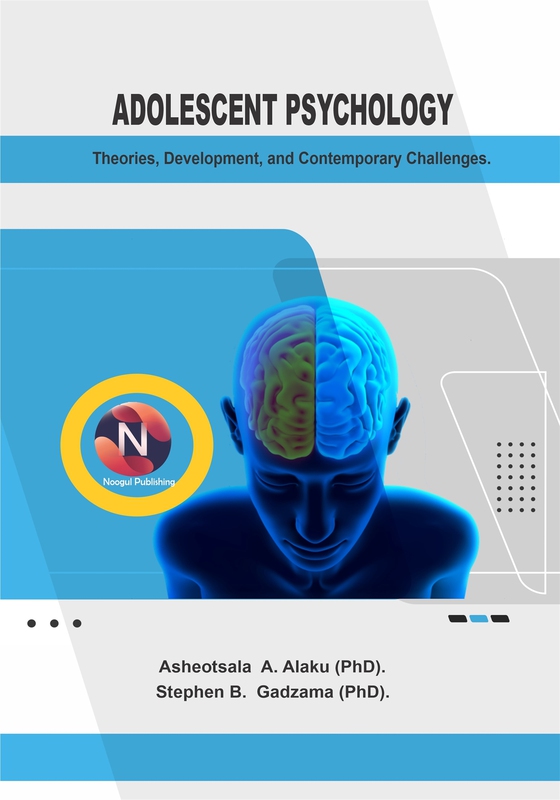
Adolescent Psychology: Theories, Development, and Contemporary Challenges e-bok
209 kr
This comprehensive text explores the multifaceted world of adolescent psychology, offering a deep dive into the biological, cognitive, emotional, and social development of adolescents. Drawing on classical and contemporary theories—including those of Hall, Freud, Erikson, Bandura, and Piaget—the book provides an integrative framework for understanding adolescence as a dynamic, transitional stage …
This comprehensive text explores the multifaceted world of adolescent psychology, offering a deep dive into the biological, cognitive, emotional, and social development of adolescents. Drawing on classical and contemporary theories—including those of Hall, Freud, Erikson, Bandura, and Piaget—the book provides an integrative framework for understanding adolescence as a dynamic, transitional stage in human development. The book critically analyzes the role of cultural, environmental, and socio-political contexts in shaping adolescent experiences, particularly within the Nigerian and broader African societal frameworks. It addresses key concerns such as drug abuse, cultism, political thuggery, peer pressure, identity formation, and emotional regulation. With a focus on the interplay between individual development and societal expectations, this work serves as an essential resource for educators, psychologists, parents, and policymakers seeking to guide adolescents through this critical life stage with empathy, insight, and evidence-based strategies.
E-bok
209 kr
Förlag
Noogul Publishing
Utgiven
11.03.2026
Genrer
Psykologi Och Pedagogik
Språk
English
Format
epub
Kopieringsskydd
LCP (legacy)
ISBN
9781300225195
This comprehensive text explores the multifaceted world of adolescent psychology, offering a deep dive into the biological, cognitive, emotional, and social development of adolescents. Drawing on classical and contemporary theories—including those of Hall, Freud, Erikson, Bandura, and Piaget—the book provides an integrative framework for understanding adolescence as a dynamic, transitional stage in human development. The book critically analyzes the role of cultural, environmental, and socio-political contexts in shaping adolescent experiences, particularly within the Nigerian and broader African societal frameworks. It addresses key concerns such as drug abuse, cultism, political thuggery, peer pressure, identity formation, and emotional regulation. With a focus on the interplay between individual development and societal expectations, this work serves as an essential resource for educators, psychologists, parents, and policymakers seeking to guide adolescents through this critical life stage with empathy, insight, and evidence-based strategies.
Inga recensioner än