

Aleksander Pluskowski
(redaktör)
The Ritual Killing and Burial of Animals e-bok
109 kr
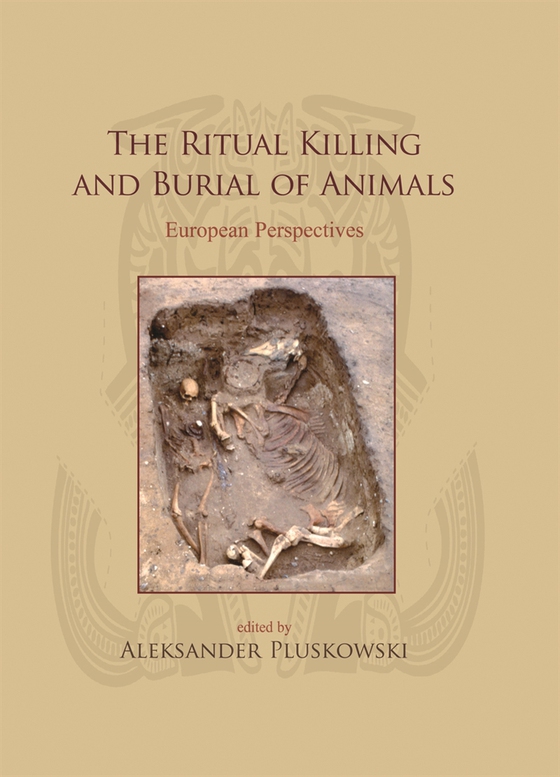
The killing and burial of animals in ritualistic contexts is encountered across Europe from Prehistory through to the historical period. This volume presents the state of research across Europe to illustrate how comparable interpretative frameworks are used by archaeologists working with both prehistoric and historical societies. Key questions include: How easy is it to identify ritually killed a…
The killing and burial of animals in ritualistic contexts is encountered across Europe from Prehistory through to the historical period. This volume presents the state of research across Europe to illustrate how comparable interpretative frameworks are used by archaeologists working with both prehistoric and historical societies. Key questions include: How easy is it to identify ritually killed animals in the archaeological record? Can we tell if an animal has been killed specifically for such a purpose? Is it possible to reconstruct the rites associated with their deposition? What insights can be gained about the religious paradigms and ritual systems of the societies engaged in animal sacrifice? Together, the 16 papers represent a snapshot of the current state of research on this fundamental, recurring and spectacular aspect of human societies in the past.
E-bok
109 kr




Förlag
Oxbow Books
Utgiven
15.02.2021
Längd
224 sidor
Genrer
Fackböcker, Historia & Arkeologi
Språk
English
Format
epub
Kopieringsskydd
Vattenmärkt
ISBN
9781842179246
The killing and burial of animals in ritualistic contexts is encountered across Europe from Prehistory through to the historical period. This volume presents the state of research across Europe to illustrate how comparable interpretative frameworks are used by archaeologists working with both prehistoric and historical societies. Key questions include: How easy is it to identify ritually killed animals in the archaeological record? Can we tell if an animal has been killed specifically for such a purpose? Is it possible to reconstruct the rites associated with their deposition? What insights can be gained about the religious paradigms and ritual systems of the societies engaged in animal sacrifice? Together, the 16 papers represent a snapshot of the current state of research on this fundamental, recurring and spectacular aspect of human societies in the past.
Inga recensioner än