

The Invisible Diggers (HMP Research Series) e-bok
109 kr
Since the increasing reliance on developers to fund archaeological work through the 1980s, and the implementation of Planning Policy Guidance Note 16 (PPG16) in 1990, British 'commercial' archaeologists have become increasingly distanced from their academic colleagues. This monograph examines the situation within contemporary 'commercial' archaeology and considers the challenges faced by those em…
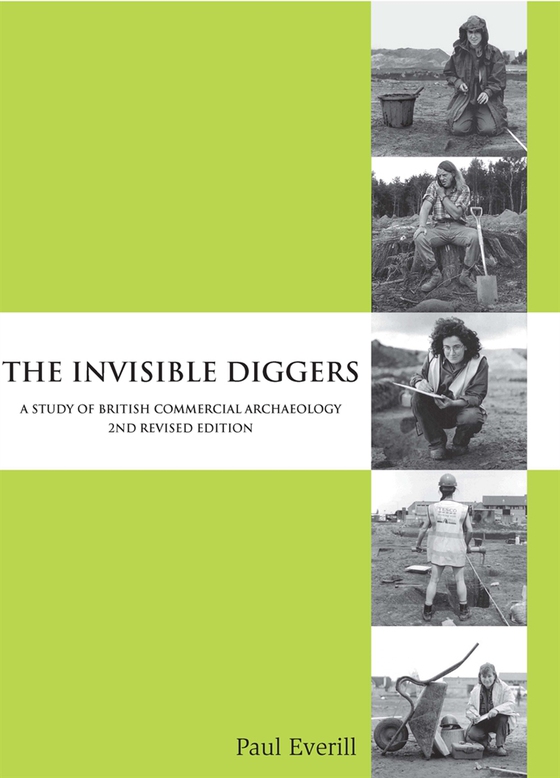
Since the increasing reliance on developers to fund archaeological work through the 1980s, and the implementation of Planning Policy Guidance Note 16 (PPG16) in 1990, British 'commercial' archaeologists have become increasingly distanced from their academic colleagues. This monograph examines the situation within contemporary 'commercial' archaeology and considers the challenges faced by those employed within that sector, including the impact of commercial working practices on pay and conditions of employment and the process of excavation and knowledge production. This monograph provides a fascinating insight into the working environment of commercial archaeologists and demonstrates how camaraderie and love of their job is often just enough to outweigh the adversity they face in the form of low wages, poor employment conditions and career prospects.
E-bok
109 kr





Förlag
Oxbow Books
Utgiven
27.07.2021
Längd
227 sidor
Genrer
Fackböcker, Historia & Arkeologi
Serie
HMP Research Series
Språk
English
Format
epub
Kopieringsskydd
Vattenmärkt
ISBN
9781842176870
Since the increasing reliance on developers to fund archaeological work through the 1980s, and the implementation of Planning Policy Guidance Note 16 (PPG16) in 1990, British 'commercial' archaeologists have become increasingly distanced from their academic colleagues. This monograph examines the situation within contemporary 'commercial' archaeology and considers the challenges faced by those employed within that sector, including the impact of commercial working practices on pay and conditions of employment and the process of excavation and knowledge production. This monograph provides a fascinating insight into the working environment of commercial archaeologists and demonstrates how camaraderie and love of their job is often just enough to outweigh the adversity they face in the form of low wages, poor employment conditions and career prospects.
Inga recensioner än