

Plants and People (Earth Series) e-bok
109 kr
This first monograph in the EARTH series, The dynamics of non-industrial agriculture: 8,000 years of resilience and innovation, approaches the great variety of agricultural practices in human terms. It focuses on the relationship between plants and people, the complexity of agricultural processes and their organisation within particular communities and societies. Collaborative European research a…
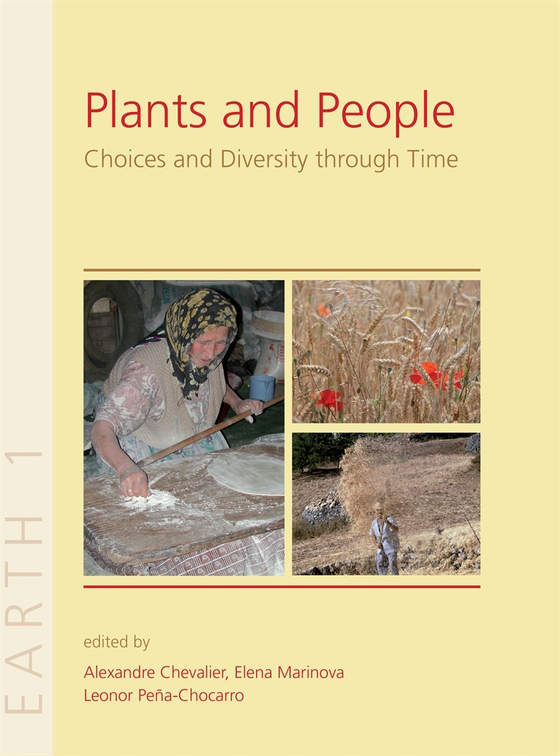
This first monograph in the EARTH series, The dynamics of non-industrial agriculture: 8,000 years of resilience and innovation, approaches the great variety of agricultural practices in human terms. It focuses on the relationship between plants and people, the complexity of agricultural processes and their organisation within particular communities and societies. Collaborative European research among archaeologists, archaeobotanists, ethnographers, historians and agronomists using a broad analytical scale of investigation seeks to establish new common ground for integrating different approaches. By means of interdisciplinary examples, this book showcases the relationship between people and plants across wide ranging and diverse spatial and temporal milieus, including crop diversity, the use of wild foodstuffs, social context, status and choices of food plants.
E-bok
109 kr





Förlag
Oxbow Books
Utgiven
15.02.2021
Längd
432 sidor
Genrer
Fackböcker, Historia & Arkeologi
Serie
Earth Series
Språk
English
Format
epub
Kopieringsskydd
Vattenmärkt
ISBN
9781782970330
This first monograph in the EARTH series, The dynamics of non-industrial agriculture: 8,000 years of resilience and innovation, approaches the great variety of agricultural practices in human terms. It focuses on the relationship between plants and people, the complexity of agricultural processes and their organisation within particular communities and societies. Collaborative European research among archaeologists, archaeobotanists, ethnographers, historians and agronomists using a broad analytical scale of investigation seeks to establish new common ground for integrating different approaches. By means of interdisciplinary examples, this book showcases the relationship between people and plants across wide ranging and diverse spatial and temporal milieus, including crop diversity, the use of wild foodstuffs, social context, status and choices of food plants.
Inga recensioner än