


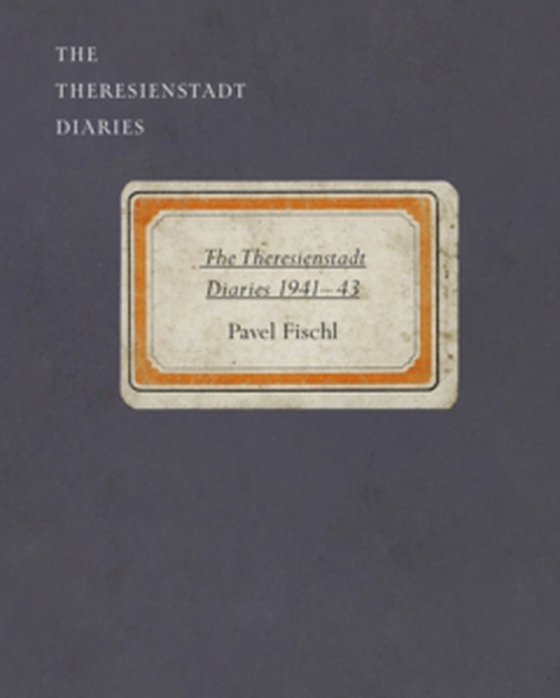
Pavel Fischl
(författare)
The Theresienstadt Diaries 1941–1943 e-bok
124 kr
Pavel Fischl is 19 years old when he is deported to the Theresienstadt ghetto in 1941. His siblings have managed to flee the occupied Prague; their parents had died a few years earlier. Fischl is put to work in the labour camp, but he is also able to perform in plays and to write.The Theresienstadt Diaries offer unique insights into a young man's daily life in the worst place imaginable. Life dur…
Pavel Fischl is 19 years old when he is deported to the Theresienstadt ghetto in 1941. His siblings have managed to flee the occupied Prague; their parents had died a few years earlier. Fischl is put to work in the labour camp, but he is also able to perform in plays and to write.The Theresienstadt Diaries offer unique insights into a young man's daily life in the worst place imaginable. Life during the ongoing Nazi genocide is unbearable, and Pavel Fischl's notes as well as his poetry and prose drafts are attempts at coping with challenging emotions and experiences.Fischl's diaries are now published for the first time in an English translation with introductions by the author's son Michael Dagan, and Czech scholar Michaela Rozov. In the afterword, historian Ulf Zander offers a broader perspective of the Nazi occupation of former Czechoslovakia and of the Holocaust.
E-bok
124 kr
Förlag
Bokförlaget Stolpe
Utgiven
24.09.2026
Längd
196 sidor
Genrer
Biografier, Historia & Arkeologi
Språk
English
Format
epub
Kopieringsskydd
Vattenmärkt
ISBN
9789190022757
Pavel Fischl is 19 years old when he is deported to the Theresienstadt ghetto in 1941. His siblings have managed to flee the occupied Prague; their parents had died a few years earlier. Fischl is put to work in the labour camp, but he is also able to perform in plays and to write.The Theresienstadt Diaries offer unique insights into a young man's daily life in the worst place imaginable. Life during the ongoing Nazi genocide is unbearable, and Pavel Fischl's notes as well as his poetry and prose drafts are attempts at coping with challenging emotions and experiences.Fischl's diaries are now published for the first time in an English translation with introductions by the author's son Michael Dagan, and Czech scholar Michaela Rozov. In the afterword, historian Ulf Zander offers a broader perspective of the Nazi occupation of former Czechoslovakia and of the Holocaust.
Inga recensioner än